In an increasingly digital marketplace, businesses must adapt their marketing strategies to remain relevant. Upgrading to advanced digital tools can significantly enhance engagement and consumer insights. These tools not only facilitate automation but also empower brands to make data-driven decisions. However, the challenge lies in selecting and integrating the right tools effectively. What factors should businesses consider to maximize their marketing potential and ensure measurable success?
Top Digital Tools to Enhance Your Marketing Strategy
In today’s competitive landscape, a myriad of digital tools exists to empower marketers in crafting effective strategies.
Social media platforms enable brands to engage dynamically with their audience, fostering community and loyalty.
Meanwhile, email marketing remains a powerful channel, allowing for personalized communication and targeted campaigns.
Together, these tools enhance visibility and adaptability, giving marketers the freedom to innovate and connect meaningfully with their consumers.
Choosing the Right Marketing Tools for Your Business
Selecting the appropriate marketing tools can significantly influence a business’s overall effectiveness and growth trajectory.
A thorough tool comparison is essential, as it enables businesses to evaluate features and costs systematically. Additionally, prioritizing user experience fosters engagement and satisfaction, empowering companies to connect with their audience more effectively.
Ultimately, the right tools can enhance creativity and efficiency, allowing businesses to thrive in a competitive landscape.
Integrating Digital Tools Into Your Marketing Strategy
A successful marketing strategy seamlessly integrates digital tools, creating a cohesive environment that amplifies brand messaging and enhances audience engagement.
This digital integration allows for optimized marketing automation, streamlining processes and freeing teams to focus on creative strategies.
How to Measure Success With Your Digital Marketing Tools?
Successful integration of digital tools into a marketing strategy lays the groundwork for measuring effectiveness and performance.
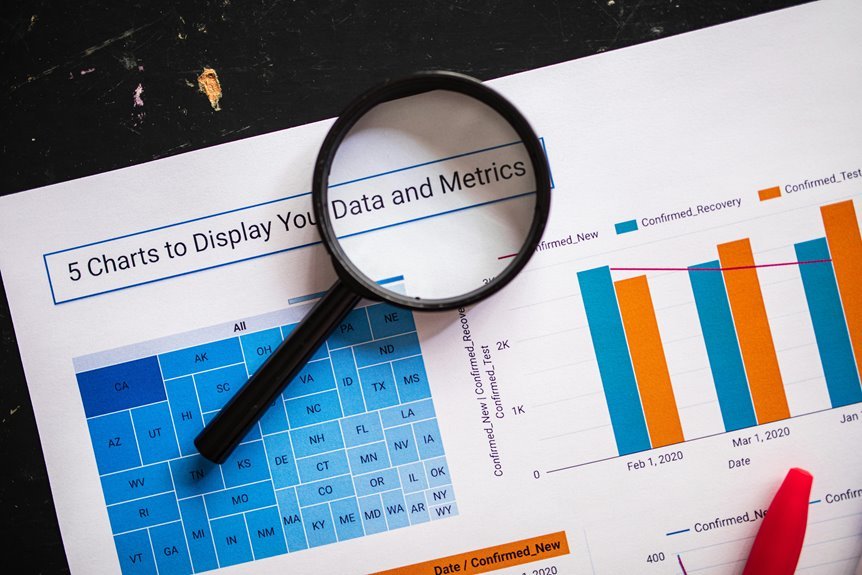
By leveraging analytics metrics, marketers can gain insights into consumer behavior and campaign impact.
Performance tracking enables businesses to identify strengths and weaknesses, facilitating informed adjustments.
Embracing these analytical approaches empowers marketers, allowing them to optimize strategies and achieve greater freedom in their marketing endeavors.
Conclusion
In a world where consumer attention is fleeting, the adoption of digital tools is not merely an option but a necessity. As businesses embrace innovative platforms, they unlock the potential to forge deeper connections with their audience. By integrating these tools into their marketing strategies, companies position themselves not only to survive but to thrive in an ever-evolving landscape. Ultimately, the question remains: will you harness the power of digital tools to illuminate your path to success?