Electric vehicles are rapidly becoming part of everyday life, and many homeowners naturally wonder whether solar panels can power them directly. The idea is simple: instead of paying for gasoline or grid electricity, sunlight becomes the fuel for daily driving. As energy costs fluctuate and EV adoption grows, pairing solar with an electric car feels both practical and forward-thinking. Yet the real question is not just whether it is possible, but whether it makes sense for a typical household. Understanding how much energy an EV uses and how much solar panels can realistically generate is the key to making a smart decision. In this article, the relationship between home solar systems and EV charging is explained in practical, easy-to-understand terms.
1. Short Answer: Yes, and It’s a Perfect Match
Solar Generates Free Fuel for Your EV
Solar panels convert sunlight into electricity that can power household appliances, lights, and increasingly, electric vehicles. When installed correctly, a home system can offset most or even all of the electricity needed for daily charging. For many drivers, an EV consumes about 25 to 35 kWh per 100 miles, which aligns well with the output of a modest rooftop solar array. Over time, this means daily commuting can be powered by energy generated right at home. Instead of watching fuel prices rise, homeowners rely on predictable solar production. This combination makes solar and EV ownership a naturally efficient partnership.
Charge During the Day While the Sun Shines
Charging during daylight hours allows an EV to use solar energy directly as it is produced. This setup works especially well for households where the car is parked at home during the day. Midday sunlight typically provides the highest output from panels solar home systems, which can translate into faster charging without pulling power from the grid. Even partial daytime charging reduces overall electricity bills. Smart chargers can schedule charging sessions to match peak solar production. Over time, this habit maximizes savings and improves overall system efficiency.
2. How Many Panels Do You Need
Average EV Needs 7–10 Panels for Daily Driving
The number of panels required depends largely on driving habits. A driver covering about 30 miles per day may need roughly 8 to 10 standard panels to generate enough electricity annually for that usage. Each panel typically produces between 350 and 450 watts under ideal conditions, though actual output varies with sunlight hours and location. In sunny regions, fewer panels may suffice, while cloudy climates may require more capacity. Roof space and orientation also influence total output. Matching panel count to real driving patterns ensures the system remains cost-effective.
Calculate Based on Milar vs. Wall Outlet
Charging speed depends on both the EV charger and the available power supply. A standard wall outlet provides slow charging, often adding only a few miles of range per hour. In contrast, a Level 2 home charger significantly increases charging speed and works well with a solar array. Solar panels themselves do not slow charging; rather, the inverter and charger setup determine the delivery rate. During peak sunlight, solar output can fully support a Level 2 charger for steady daytime charging. Proper system design ensures charging remains convenient and practical.
4. The Role of Home Battery Storage
Home battery storage enhances flexibility by storing excess solar energy generated during the day. Without storage, unused midday production flows back to the grid in many areas. A battery that stores energy can charge the EV at night. This setup provides more consistent energy use and reduces reliance on grid electricity after sunset. Batteries also offer backup power during outages, increasing household resilience. For EV owners, storage bridges the gap between solar production and driving schedules.
See also: Exploring the Tech Wonders of Technology-Hub
5. Real-World Scenarios
Work from Home? Charge While You Work
Remote workers often find solar charging especially convenient. When the vehicle remains parked in the driveway during peak sunlight hours, most charging can occur naturally throughout the day. This reduces the need for nighttime grid electricity. Even moderate solar systems can cover a large portion of weekly commuting needs. Over months, these daytime charging sessions significantly lower overall transportation costs. The alignment between work-from-home schedules and solar production creates an efficient daily routine.
Commute Daily? Panels Cover Most Miles
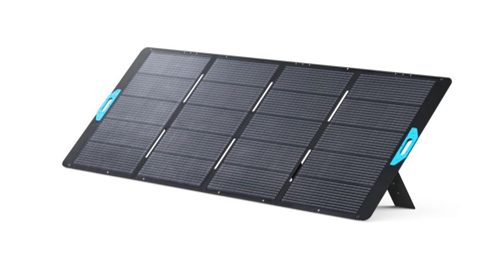
Daily commuters with predictable routes can still benefit significantly from solar charging, especially when the system is properly sized to meet their energy needs. A well-matched setup can offset the majority of annual driving energy, even if charging occurs partly in the evening. When evaluating upgrades, it’s important to consider high-performance equipment that makes the most of limited roof space. For example, Anker Solar Panels are designed with high-efficiency cells and durable construction, ensuring reliable output and consistent performance. This makes them a practical choice for commuters looking to maximize solar generation without expanding their system footprint. While not every mile may be powered directly by sunlight, a well-integrated setup can still cover most driving energy over the course of a year.
6. The Bottom Line for EV Owners
Solar + EV = Lowest Fuel Cost Possible
Pairing solar panels with an electric vehicle creates one of the lowest long-term transportation costs available today. Once installation costs are covered, sunlight effectively replaces gasoline purchases. Maintenance for solar systems remains minimal compared to fuel expenses over time. Predictable energy production simplifies budgeting for households. As electricity prices fluctuate, self-generated solar power provides stability. Over the lifespan of both systems, savings can be substantial.
Add Battery for True 24/7 Solar Driving
Adding a battery system allows energy generated during the day to power nighttime charging. This creates a near-continuous cycle of solar-powered driving. Stored energy ensures the EV remains ready for early morning departures without pulling from the grid. While batteries increase upfront investment, they enhance energy independence and efficiency. The combination of solar, storage, and EV technology forms a complete home energy ecosystem. For many households, this setup represents the most comprehensive approach to clean and cost-effective transportation.
Conclusion
Solar panels can indeed power an electric vehicle at home, and for many households, the pairing makes practical and financial sense. The exact number of panels required depends on driving habits, sunlight availability, and overall household energy use. Charging during the day maximizes direct solar usage, while battery storage adds flexibility for nighttime driving. With thoughtful planning, solar panel systems can cover most daily commuting needs and significantly reduce fuel expenses. For EV owners seeking long-term savings and energy stability, combining solar power with home charging offers a compelling and achievable solution.